
New York's spam call law protects residents from unsolicited text messages through the Telephone Consumer Protection Act (TCPA). To combat spam, consumers can:
1. Understand their rights and consent requirements.
2. Identify senders and register numbers on do-not-call registries.
3. Document and report spam, contacting local/state agencies or spam call law firms in New York for persistent issues.
4. Utilize communication management tools and legal actions like cease-and-desist letters to reclaim control over digital spaces.
In today's digital age, consumers face a growing challenge with the deluge of spam texts inundating their personal devices. The constant barrage of unsolicited messages from marketing firms and even law organizations, often referred to as spam call law firms New York, has become a significant nuisance. This article aims to empower Queens residents by elucidating their rights and legal protections against these intrusive practices. We will navigate the intricacies of consumer rights, focusing on the robust Spam Call Law that offers relief from unwanted text messages, ensuring a more peaceful digital environment.
Understanding Spam Texts and New York's Consumer Protection Laws
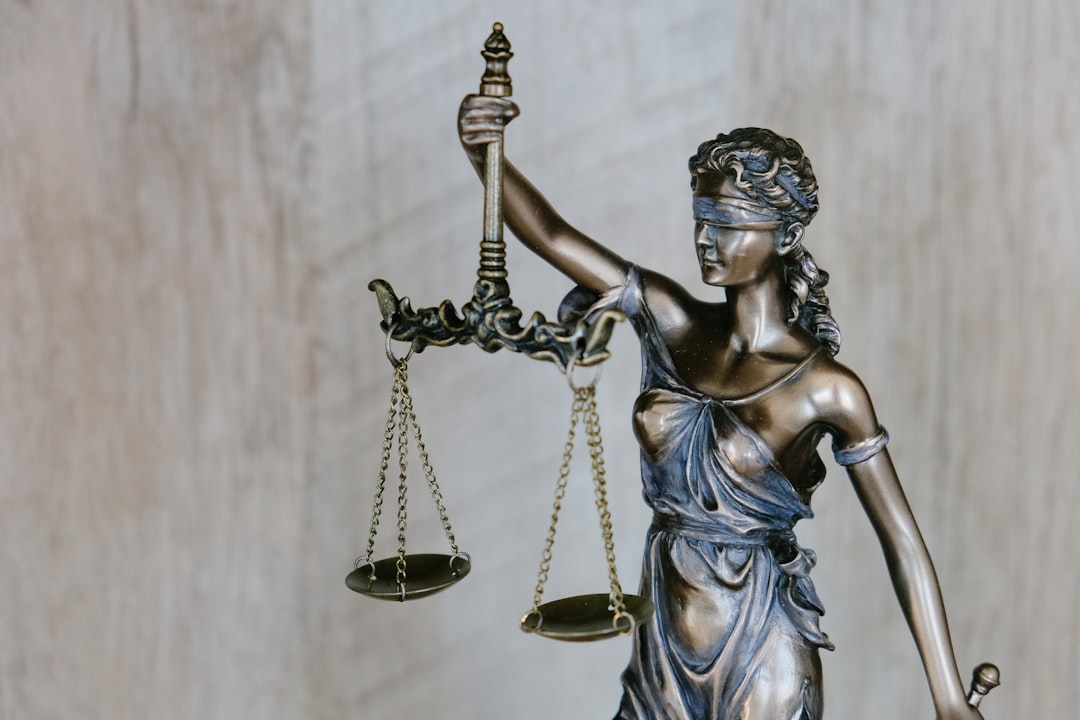
In New York, including Queens, consumers are protected from unsolicited and annoying spam texts by state laws designed to safeguard individual privacy and prevent deceptive practices. Spam texts, or unwanted bulk messages, have become a pervasive issue for many residents, often posing as marketing attempts or even scams. Understanding these laws is crucial for consumers to know their rights and take action against persistent violators.
New York's Consumer Protection Laws, specifically the Telephone Consumer Protection Act (TCPA), regulate spam calls and texts. This legislation prohibits businesses from sending automated, prerecorded, or text messages to any telephone number unless the sender has prior express consent from the recipient. In the context of spam texts, this means that companies must obtain explicit permission before messaging individuals or they risk facing legal repercussions. Consumers in Queens can take advantage of these laws by documenting and reporting unwanted text messages to their local Attorney General's office or through dedicated online platforms.
Spam call law firms in New York often target residents with aggressive marketing tactics, but consumers have options to mitigate these intrusions. One effective strategy is to register on the National Do Not Call Registry, which restricts most telemarketing calls and texts. Additionally, many mobile service providers offer tools to block specific numbers or types of messages. While these measures help reduce the volume, persistent spam texts may still occur, highlighting the importance of consumer education and enforcement of existing laws.
Your Rights: How to Stop Unwanted Text Messages in Queens
In Queens, as across New York State, consumers are protected from unsolicited text messages—commonly known as spam texts—by the Spam Call law. This legislation grants individuals the right to silence unwanted communication, offering several effective strategies to combat these nuisance messages. The first step is understanding your rights and the legal framework surrounding them. According to the Federal Trade Commission (FTC), businesses must obtain explicit consent before sending marketing text messages. This means you have the power to opt-out and prevent future communications from specific senders.
To stop spam texts, residents of Queens can take proactive measures. Start by identifying the source of the messages; this could be a telemarketing company or a business trying to promote their products or services. Once identified, contact the sender directly using a different communication channel (e.g., email or landline phone) and request to be removed from their list. Many businesses maintain opt-out options for this purpose. Additionally, register your number with the National Do Not Call Registry. While primarily focused on voice calls, this registry also provides some protection against text message spam.
For persistent or repeated spam texts, consider seeking assistance from a local or state consumer protection agency, or consult with a reputable Spam call law firm in New York. These entities can offer guidance tailored to your situation and explore legal avenues if necessary. Remember, asserting your rights as a consumer is essential to maintaining control over your communication channels. By following these steps, Queens residents can significantly reduce the volume of unwanted text messages they receive.
Navigating Legal Action: Fighting Back Against Spam Call Law Firms in NY

In Queens, as across New York State, consumers are increasingly facing a deluge of unwanted spam texts from call law firms. This rising trend has sparked concern among residents who feel their privacy is invaded and their time wasted by these persistent messages. Understanding your legal rights is crucial when navigating this issue. According to the Telephone Consumer Protection Act (TCPA), businesses must obtain prior express consent before sending automated or prerecorded marketing calls—including text messages—to consumers. Victims of repeated spam texts from spam call law firms New York have several avenues for legal action.
If you've been a target of such unwanted communications, the first step is to document the instances, including the date, time, and content of each message. This evidence can be invaluable when pursuing a case against these spam call law firms. A robust strategy involves contacting your state's Attorney General's office to file a complaint, as they often investigate and take action against persistent violators. Additionally, many states have dedicated do-not-call registries; registering your number with these lists can help prevent future spam texts.
For more severe cases or when dealing with particularly aggressive spam call law firms New York, consulting an attorney specializing in consumer protection law is recommended. They can guide you through options ranging from sending cease-and-desist letters to initiating legal proceedings, seeking damages for each violation of the TCPA, which can amount to substantial compensation per incident. Such actions not only offer financial redress but also serve as a powerful deterrent, potentially putting an end to these harassing practices.
Effective Measures: Protecting Yourself from Future Spam Texts

In Queens, as across New York State, consumers have robust protections against spam texts under the Telephone Consumer Protection Act (TCPA). While laws alone can't stop all unwanted messages entirely, they equip individuals with significant tools to defend themselves and minimize future intrusions. Understanding these measures is essential for any resident facing a deluge of spam texts.
The TCPA allows you to take proactive steps to halt spam calls and text messages from unsolicited sources. One effective approach involves registering your number on the National Do Not Call Registry. This federal database restricts telemarketers from contacting registered numbers, significantly reducing spam texts over time. Moreover, many wireless carriers offer additional tools like blocking features and filters that can automatically intercept and silence unwanted communications.
If you've already suffered through a barrage of spam texts, consulting with a reputable spam call law firm in New York can provide recourse. These legal professionals specialize in navigating the complexities of TCPA litigation, helping consumers recover damages and send a clear message to perpetrators: spamming will not be tolerated. Data from consumer protection agencies reveals that collective action through lawsuits has led to significant reductions in spam calls over the years, demonstrating the power of individual rights under the TCPA.
To safeguard against future spam texts, it's crucial to stay informed about your rights and actively manage your communication settings. By combining regulatory measures, technological defenses, and legal assistance when needed, Queens residents can reclaim control over their digital space, enjoying a quieter, less intrusive communications environment.