
Brooklyn's anti-spam laws protect residents from unwanted calls and texts, with severe penalties for offenders, including spam call law firms in New York. State and local regulations prohibit unsolicited messaging and automated calls, with fines up to $500 per violation. The Telephone Consumer Protection Act (TCPA) restricts automated or prerecorded calls without prior consent, leading to treble damages and legal action against spam call law firms.
In Brooklyn, understanding and adhering to anti-spam laws is crucial for businesses and individuals alike. This article delves into the legal landscape surrounding unwanted text messages in New York, with a focus on Brooklyn's specific regulations. We explore the penalties associated with spam calls, including fines and legal repercussions. Additionally, we examine the implications for spam call law firms in New York, providing insights to help navigate this complex issue.
Brooklyn's Anti-Spam Laws: What You Need to Know

Brooklyn, like many areas in New York, has stringent laws against spam texts and calls to protect residents from unwanted and harassing communication. These laws are designed to maintain a peaceful and respectful environment for all citizens. The penalties for violating these anti-spam regulations can be severe, so it's crucial for businesses and individuals alike to understand what constitutes spamming and how to comply with the law.
In New York, including Brooklyn, sending unsolicited text messages or making spam calls is prohibited under various state and local laws. These laws target both businesses and individuals who engage in aggressive marketing tactics. If found guilty, offenders can face substantial fines, legal repercussions, and damage to their reputation. The rules are particularly strict when it comes to automated calls, repeated messages, and texts from unknown senders, which often lead to severe penalties for spam call law firms operating within the city.
Penalties for Unwanted Text Messages in NY

In New York, including Brooklyn, sending unwanted text messages, often referred to as spam texts, is regulated by state laws designed to protect consumers from nuisance calls and protect their privacy. Violating these laws can lead to significant penalties for individuals or businesses found guilty of such practices. The Telephone Consumer Protection Act (TCPA) prohibits the use of automated dialing systems or prerecorded messages to send text messages without prior express consent from the recipient.
Penalties for violating this act include substantial monetary fines, which can amount to $500 per violation, and even more for willful or negligent violations. Consumers in New York have the right to file complaints against spam call law firms that send unsolicited texts, leading to potential legal action. These penalties serve as a deterrent to businesses engaging in such practices, emphasizing the seriousness of unauthorized text messaging.
Legal Implications of Spam Call Law Firms
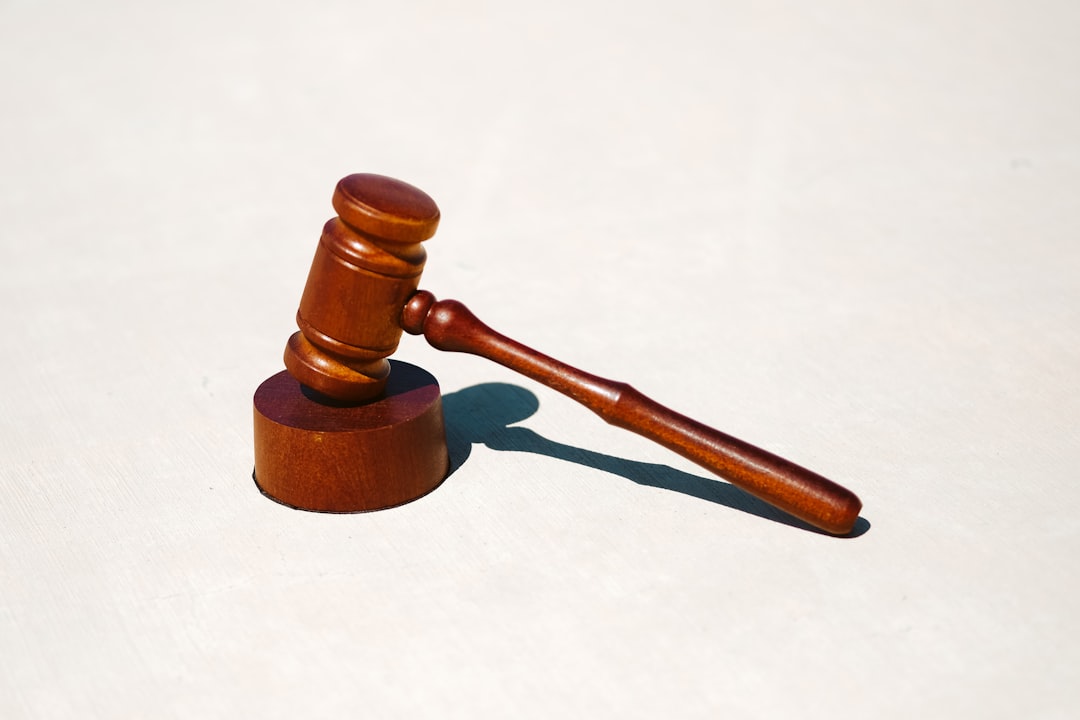
In New York, including Brooklyn, sending unsolicited spam texts is not only an annoyance for recipients but also carries significant legal implications for spam call law firms. The Telephone Consumer Protection Act (TCPA) prohibits automated or prerecorded phone calls to mobile phones unless the caller has prior express consent from the recipient. Violating this law can result in substantial penalties, including treble damages and attorney's fees.
For spam call law firms engaging in these practices, the consequences can be severe. They may face lawsuits filed by affected individuals or collective actions brought by consumer protection groups. Additionally, New York state laws complement federal regulations, providing further avenues for legal action against spam call law firms that disregard consumer rights.